In a construction industry increasingly dominated by engineered products — composite cladding, laminate flooring, synthetic stone — natural materials occupy an unusual market position. They cost more, require more skill to install, demand more maintenance, and yet command growing premiums in both residential and commercial architecture. Understanding why requires looking beyond the balance sheet.
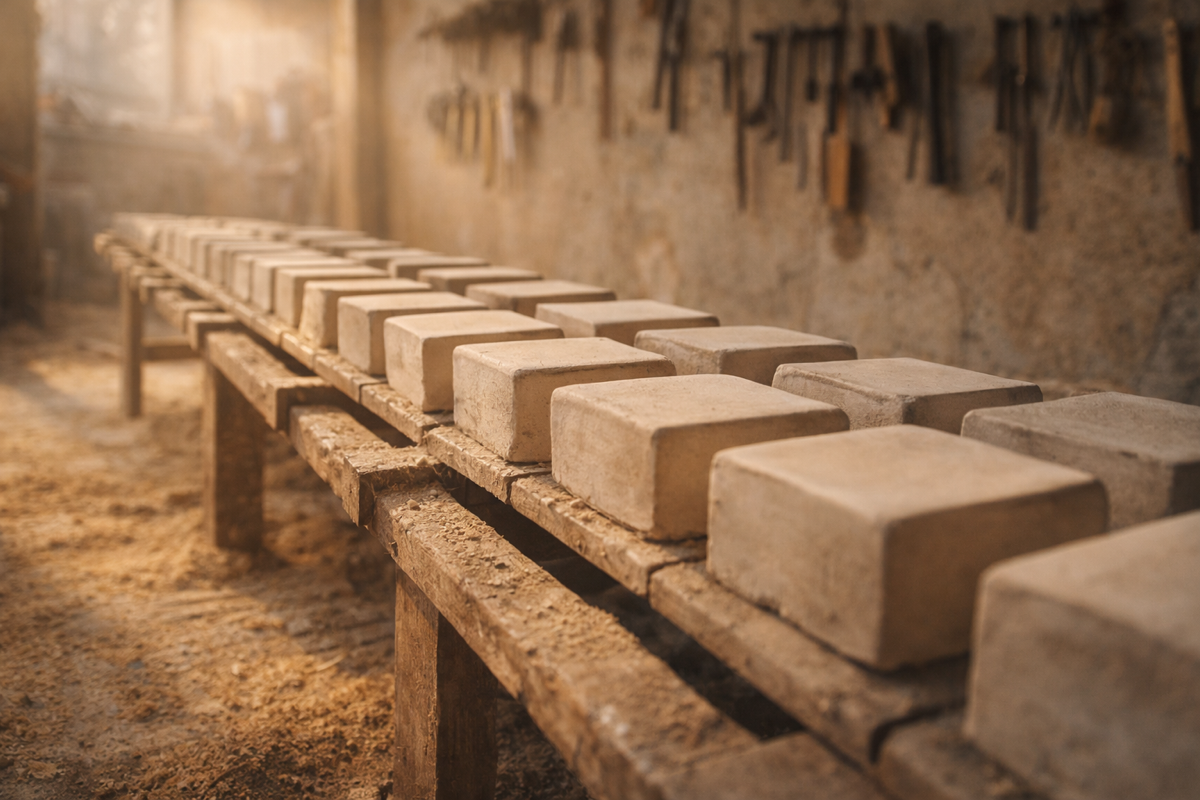
The premium is real and substantial. Solid oak flooring costs several times more than a laminate alternative that visually approximates it. Natural stone cladding commands multiples of its reconstituted equivalent. Handmade brick can cost ten times the price of machine-made alternatives. These differentials persist despite decades of improvement in synthetic alternatives, suggesting that something beyond mere appearance drives the pricing.
The Authenticity Premium
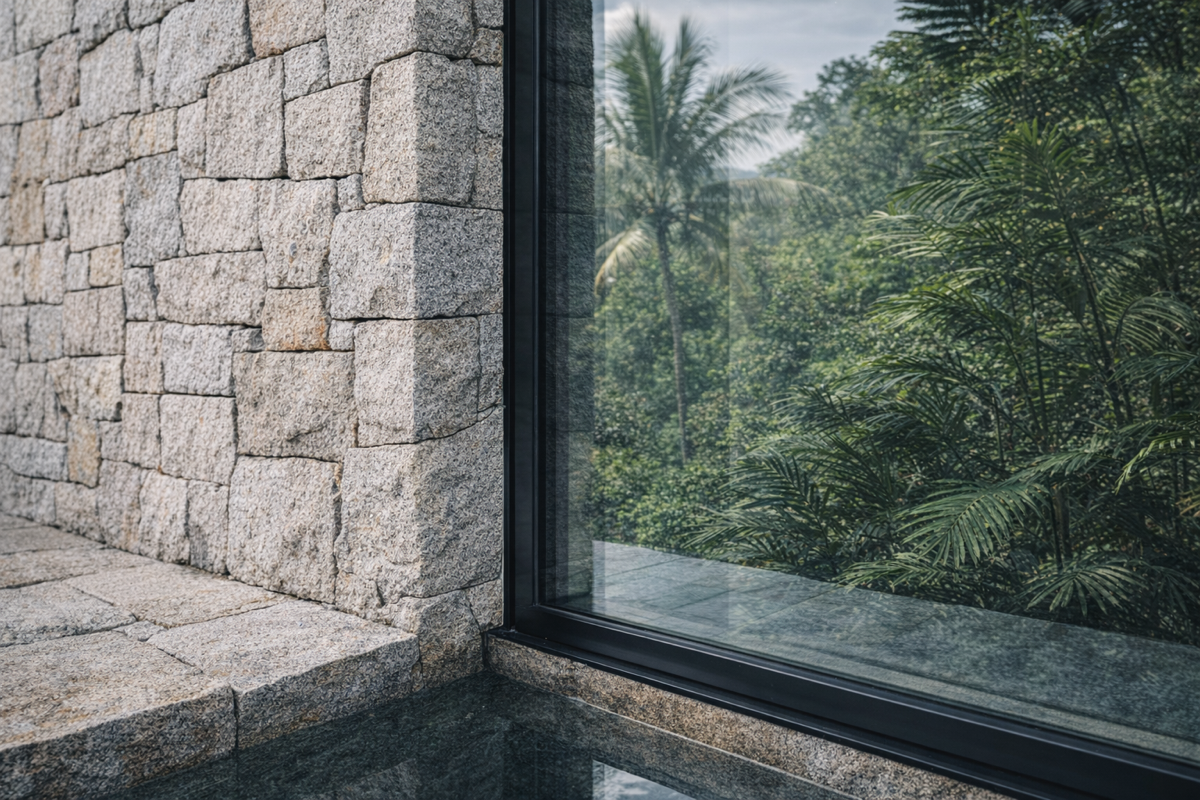
Research from Wallpaper*'s architectural coverage division consistently demonstrates that properties specified with natural materials command higher valuations than equivalent properties using synthetic alternatives. This premium applies across markets — from London townhouses to rural estates, from boutique hotels to commercial office space.
The reason is partly psychological. Humans have evolved in environments of natural materials — wood, stone, earth, fibre — and our nervous systems respond differently to these surfaces than to synthetic ones. Studies measuring physiological stress responses show measurable reductions in cortisol levels when people occupy spaces dominated by natural materials compared to synthetic equivalents.
Ageing as Asset
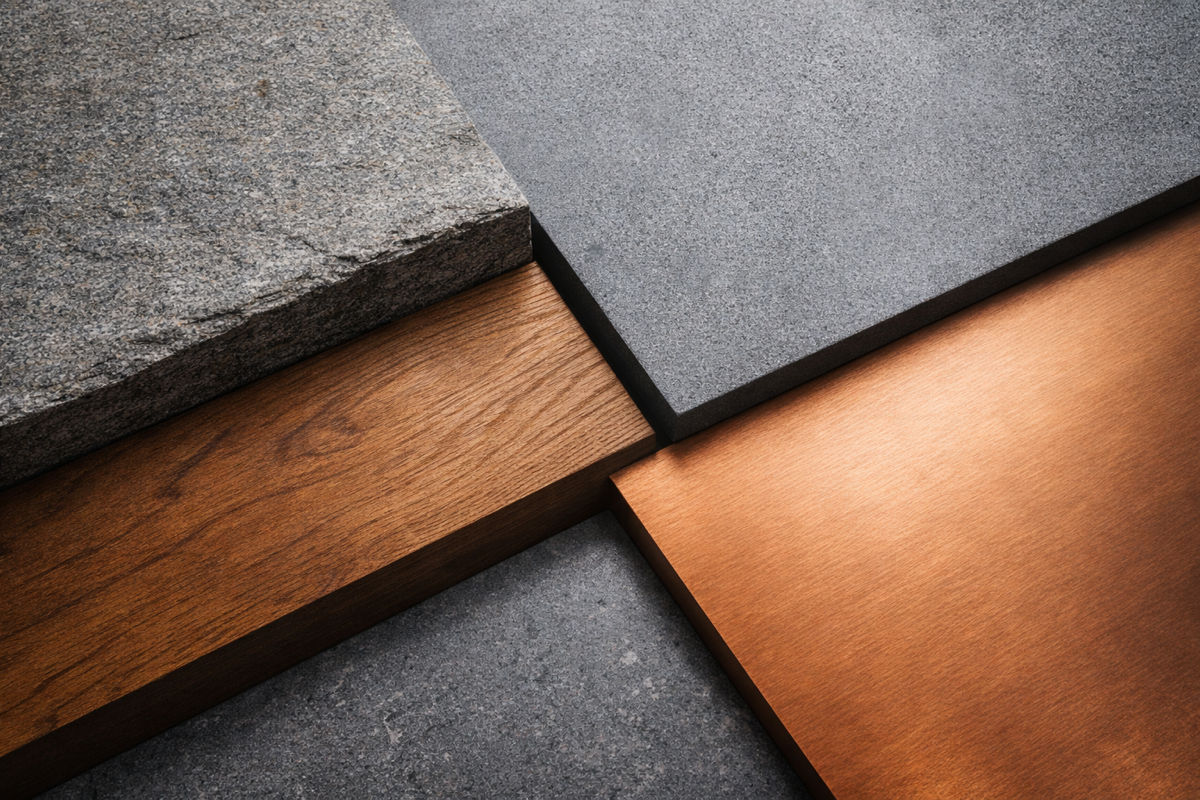
Perhaps the most compelling argument for natural materials is how they age. Synthetic materials deteriorate — they fade, crack, peel, and eventually require replacement. Natural materials, by contrast, often improve with time. Oak develops richer colour. Copper acquires patina. Limestone softens at its edges. Leather gains character. This transformation from new to aged is not degradation but maturation.
This ageing quality has profound implications for building economics. A natural stone floor laid today will still be beautiful in a century. A laminate floor will need replacing every fifteen years. When lifecycle costs are calculated rather than initial purchase price alone, natural materials frequently prove more economical despite their higher upfront cost.
Skill as Scarcity
Natural materials require skilled installation — and skill is increasingly scarce. The number of trained stone masons, traditional plasterers, and hardwood joiners has declined steadily as construction has shifted toward dry-lined, engineered systems that require assembly rather than craft. This scarcity of skill feeds directly into pricing, as the few remaining specialists command premium rates.
Yet this scarcity also creates value. A building finished by skilled craftspeople using traditional materials becomes rarer with each passing year. Its value appreciates not just because of the materials themselves but because of the embodied skill that becomes progressively harder to source.
Environmental Reckoning
The sustainability argument for natural materials is complex. On one hand, quarrying stone and felling timber have environmental impacts. On the other hand, natural materials are often locally sourced, require less energy-intensive processing than synthetic alternatives, sequester carbon in the case of timber, and at end of life return to the earth without generating toxic waste.
As environmental accounting becomes more sophisticated and carbon pricing becomes reality, the full-lifecycle costs of synthetic materials will likely rise while natural materials maintain their position. The premium for natural, in this light, is not luxury pricing but accurate pricing — reflecting true costs that synthetic alternatives currently externalise.
The Sensory Argument
Ultimately, natural materials command a premium because they offer something that synthetics cannot replicate: genuine sensory richness. The warmth of timber underfoot, the cool of marble beneath a hand, the texture of lime plaster under changing light — these experiences engage the full range of human perception in ways that engineered surfaces, however visually convincing, cannot match. We pay more because we feel more, and that feeling has value.