Scandinavian design has become something of a global shorthand for a certain kind of living — clean lines, natural materials, muted palettes, and an emphasis on light. But beneath the aesthetic lies a philosophy that has less to do with style and more to do with values. At its core, Nordic design asks a deceptively simple question: what do we actually need?
The answer, developed over generations in countries where winters are long and resources have historically been limited, tends toward restraint. Not austerity — there is warmth here, genuine comfort — but a deliberate resistance to excess. Every object in a well-designed Scandinavian home earns its place through function, beauty, or ideally both.
Function as Foundation
The modernist principle that form follows function finds its most liveable expression in Nordic design. Where other design movements have interpreted this as a licence for coldness or industrial severity, Scandinavian designers softened the equation. Function includes emotional function. A chair must support the body, yes, but it should also invite you to sit. A lamp must illuminate a room, but it should also create atmosphere.
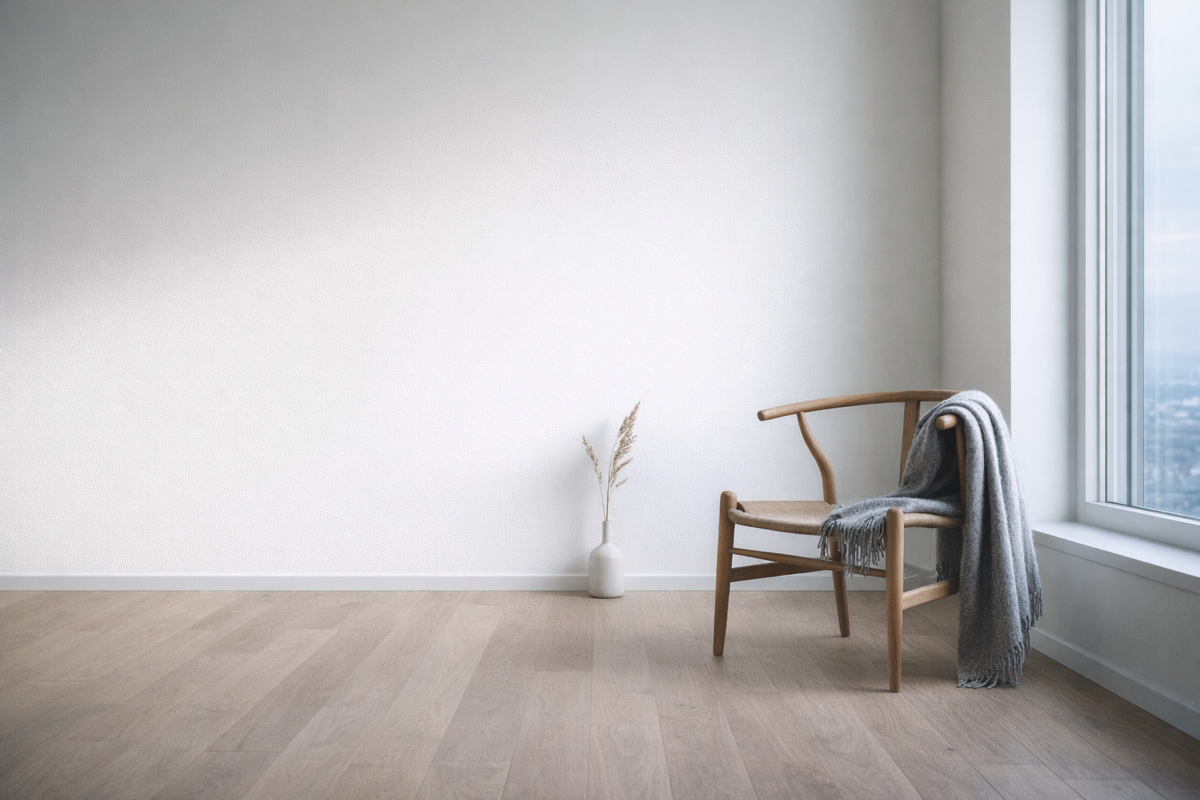
This dual requirement — practical and emotional — produces objects that age well. They do not rely on novelty or trend for their appeal. A Hans Wegner chair designed in the 1950s feels as contemporary today as it did then, because its proportions respond to the human body rather than to fashion.
Light as Material
In countries where daylight disappears for months at a time, light becomes precious. Scandinavian interiors are designed around its presence and absence — large windows to capture whatever sun exists, pale surfaces to reflect and multiply it, and carefully considered artificial lighting for the dark months.
This relationship with light shapes everything from architecture to furniture placement. Rooms are arranged to draw the eye toward windows. Surfaces are chosen for their reflective qualities. Even the candle — so central to Nordic domestic ritual — serves as both light source and psychological anchor through the winter darkness.
Materials That Speak
Wood, wool, leather, stone, ceramic. The material palette of Scandinavian design is deliberately limited and almost entirely natural. This is partly practical — these are the materials available in northern landscapes — but it also reflects a philosophical commitment to honesty. Materials are left visible, their qualities celebrated rather than concealed.
Oak shows its grain. Wool retains its texture. Leather develops patina. Stone reveals its geological history. There is no pretence here, no laminate pretending to be timber, no plastic imitating marble. What you see is what exists, and what exists is considered sufficient.
The Democratic Impulse
Perhaps the most distinctive aspect of Scandinavian design philosophy is its democratic ambition. Good design, the Nordic tradition insists, should not be reserved for the wealthy. Beauty and function should be accessible to everyone. This principle drove the development of flat-pack furniture, affordable textiles, and public architecture that prioritises human experience over monumental statement.
It is an imperfect ideal — quality materials remain expensive, and the global popularity of Nordic design has created its own luxury market. But the underlying commitment endures: that everyday life deserves thoughtful design, and that living well does not require living expensively.
Lessons Beyond Aesthetics
What Scandinavian design ultimately teaches is not how to decorate a room but how to think about sufficiency. It suggests that we might need less than we think, that quality matters more than quantity, and that the spaces we inhabit shape the lives we lead within them. These are not design principles alone — they are principles for living. And in a world increasingly overwhelmed by choice and accumulation, they feel more relevant than ever.