A home is not a floor plan. It is not a collection of rooms arranged for efficiency, nor a showcase of current design trends, nor an investment vehicle dressed in furniture. A home is something felt before it is analysed — a quality of atmosphere that tells your nervous system, in the first moments of entering, that you belong here. That you are safe. That you can rest.
This feeling is remarkably difficult to design deliberately, yet easy to recognise when present. Some spaces have it immediately — a sense of warmth and welcome that transcends their size, budget, or architectural ambition. Others, despite expensive finishes and careful styling, feel like display homes: beautiful but uninhabited, impressive but cold.
The Role of Imperfection
Perfection is the enemy of homeliness. A space where every object is curated, every surface pristine, every angle calculated creates anxiety rather than comfort. It suggests that human activity — with its inevitable mess, wear, and accumulation — is unwelcome. The homes that feel most like homes bear evidence of living: books piled on surfaces, worn patches on favourite chairs, walls marked by years of contact.
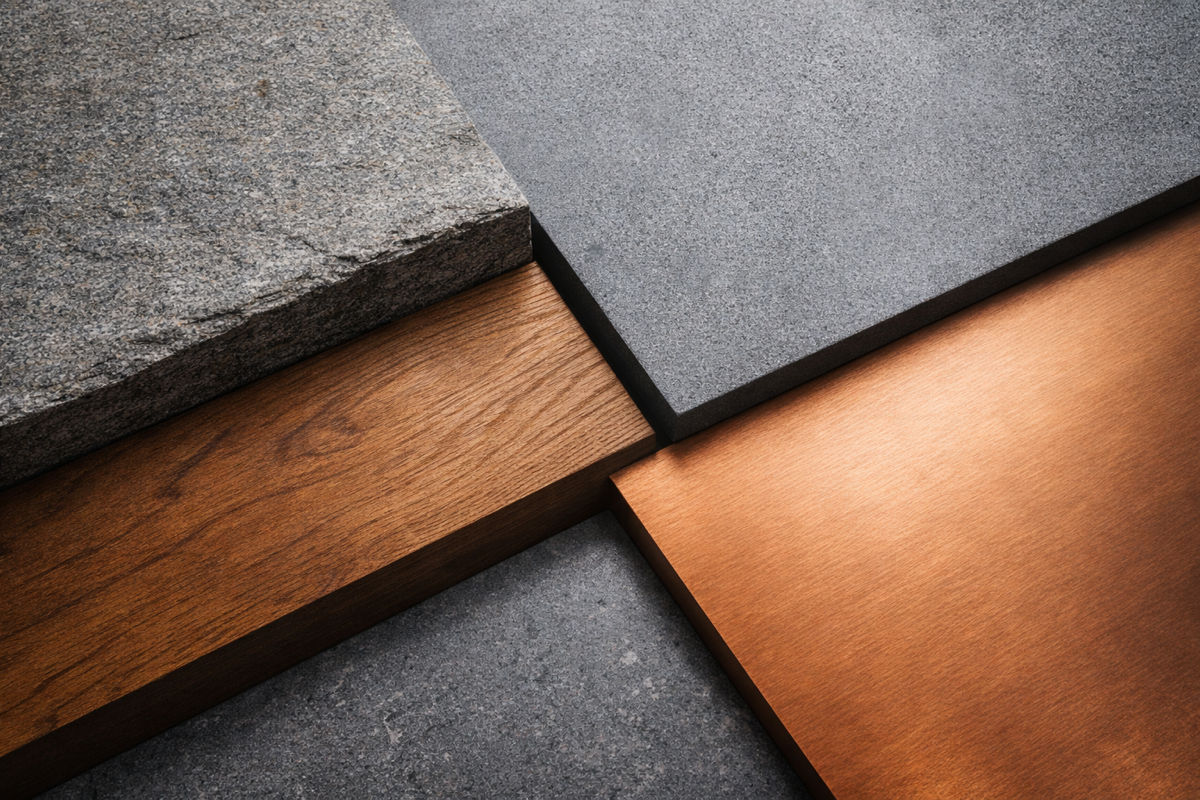
This is not an argument for chaos or neglect, but for acceptance. A home should accommodate life rather than resist it. Materials that age gracefully — developing patina rather than deteriorating — support this accommodation. Timber floors that gain character with use, linen that softens with washing, pottery that chips without shattering — these materials welcome habitation rather than fighting it.
Light and Its Rhythms
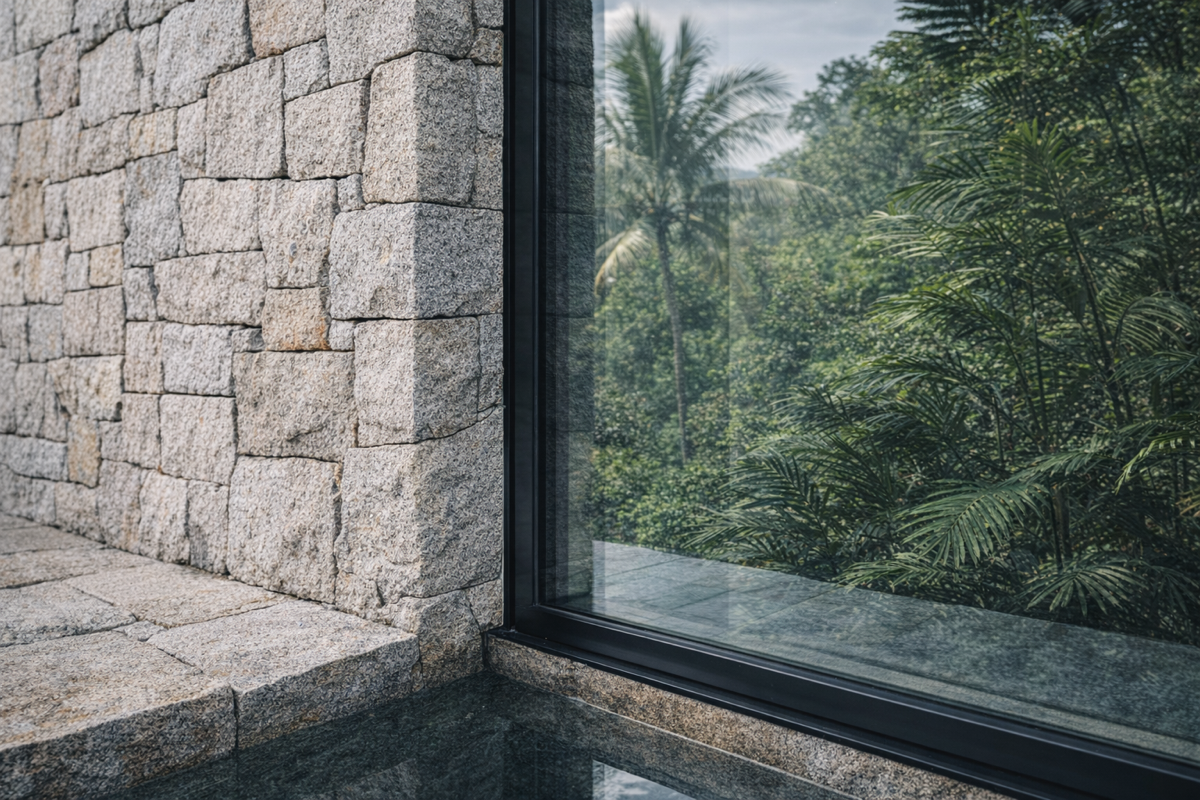
The quality of light in a home determines more of its atmosphere than almost any other factor. Natural light that moves through rooms as the day progresses creates a sense of time passing — connecting interior life to the larger rhythms of the world outside. A home should offer both bright, energising spaces for morning activity and dim, sheltering spaces for evening rest.
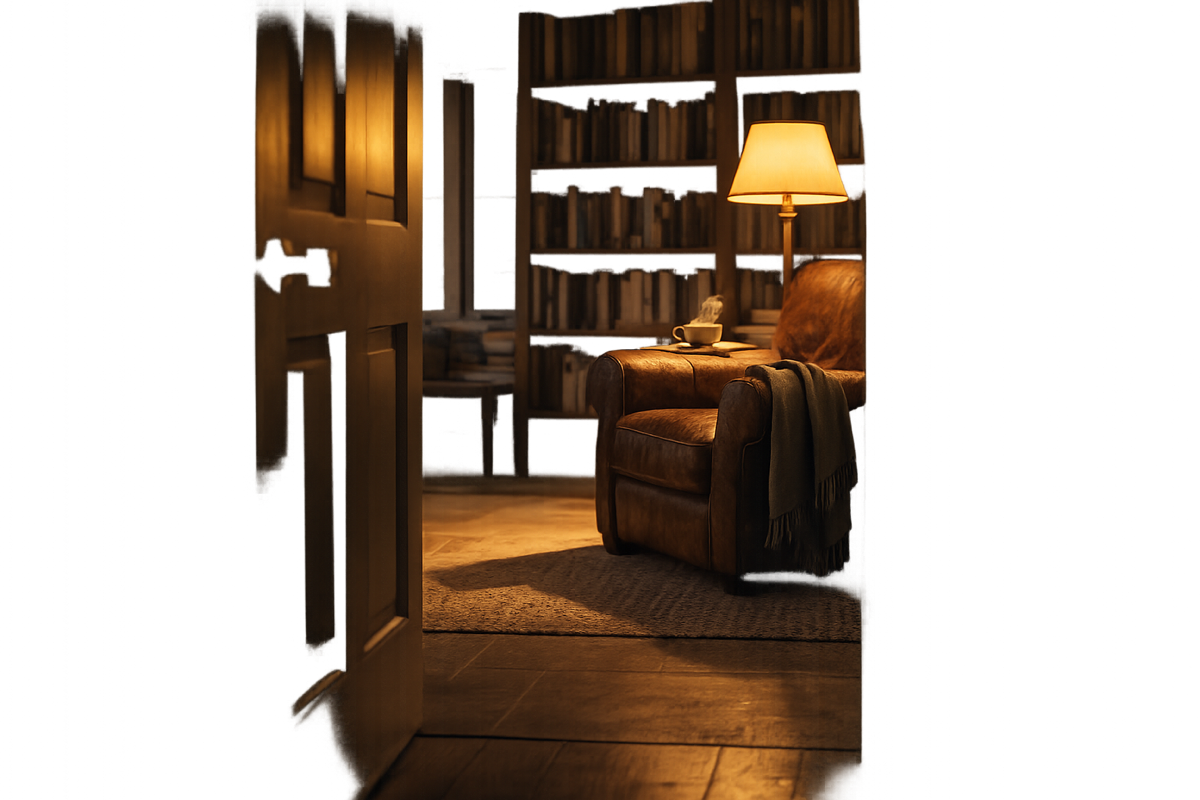
Artificial lighting extends this principle into darkness. Overhead lighting — the single ceiling fixture that illuminates everything equally — creates institutional flatness. Table lamps, wall lights, and candles create pools of illumination that give rooms depth and variety, allowing inhabitants to choose their relationship with light depending on mood and activity.
Sound and Silence
A home should have its own acoustic character — not the dead silence of over-insulated spaces, but a quality of sound that feels contained and private. Soft furnishings absorb harsh frequencies. Solid walls prevent unwanted intrusion from outside. The sounds that remain — footsteps on timber, a kettle reaching its boil, rain on windows — become the domestic soundtrack that signals normality and presence.
Acoustic privacy is undervalued in contemporary housing design, where thin walls and open plans prioritise visual connection over auditory separation. But the ability to close a door and achieve genuine quiet — to read without distraction, to sleep without disturbance — is fundamental to the feeling of home as sanctuary.
Scale and Proportion
The most comfortable domestic spaces tend toward human scale — ceiling heights that feel protective without oppressing, room widths that allow conversation without shouting, corridors wide enough for two people to pass comfortably. Grand proportions impress but rarely comfort. The spaces where people naturally gather — kitchens, window seats, fireside corners — are almost always modest in scale.
Proportion matters more than size. A small room with beautiful proportions feels more generous than a large room with awkward ones. The relationship between ceiling height and floor area, between window size and wall surface, between the height of a worktop and the reach of a hand — these proportional relationships determine whether a space feels right or wrong at a level below conscious analysis.
The Feeling of Enough
Perhaps what a home should ultimately feel like is enough. Not excessive, not lacking, but sufficient — a place where everything present serves a purpose, whether functional or emotional, and where nothing absent is missed. This sufficiency is not austerity but contentment: the quiet satisfaction of a space that meets your needs without overwhelming them, that supports your life without demanding constant attention. A home should feel like the end of seeking — the place where you no longer need to look for anything else.