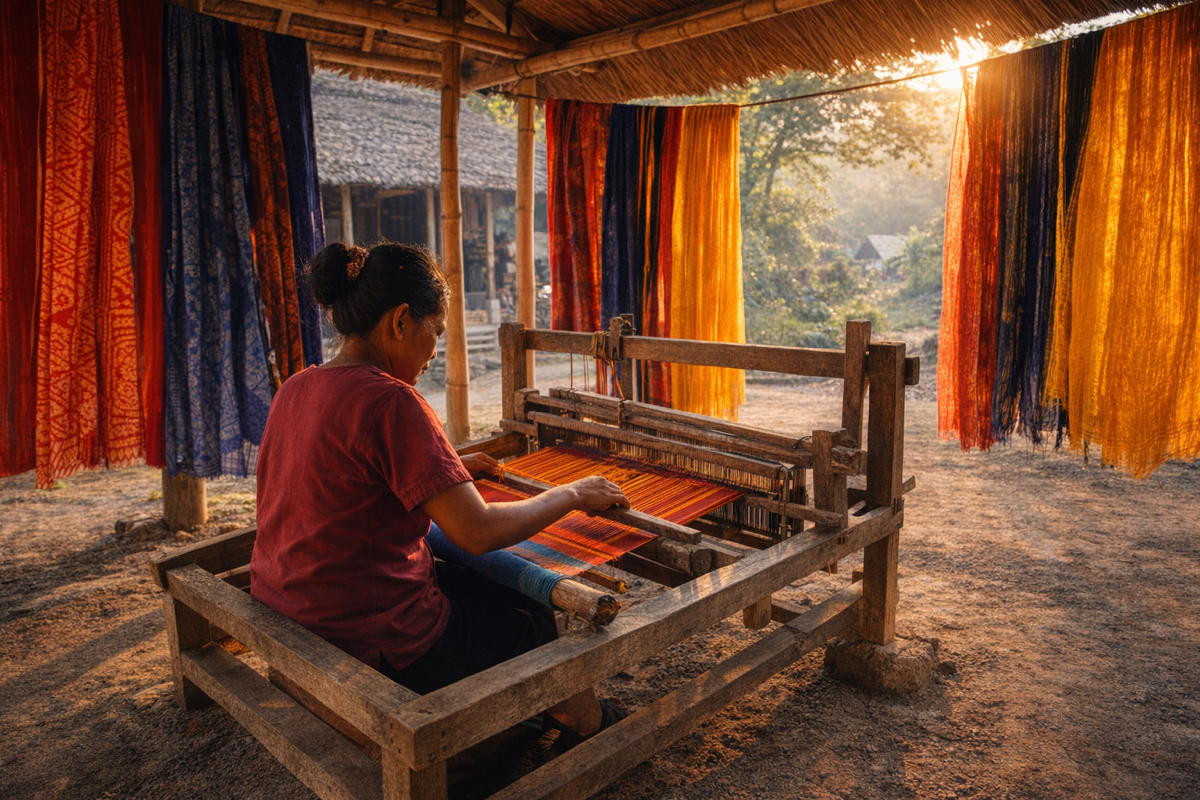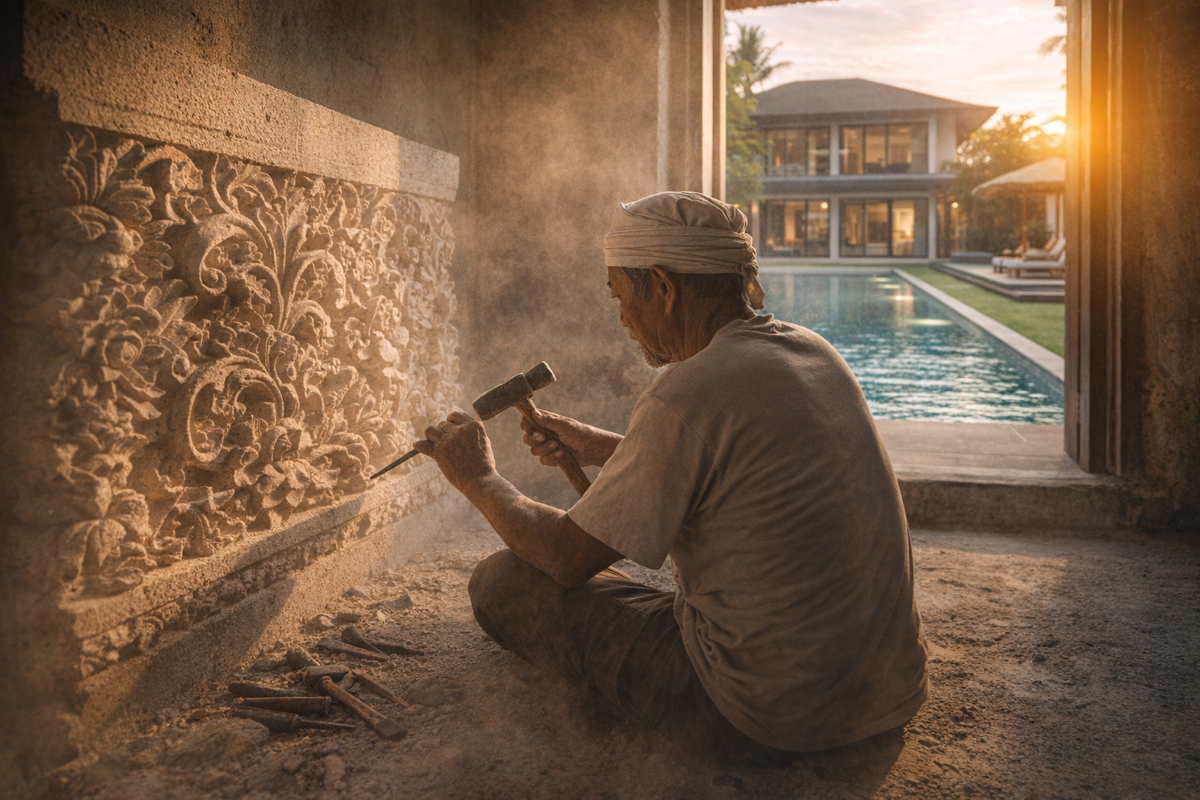
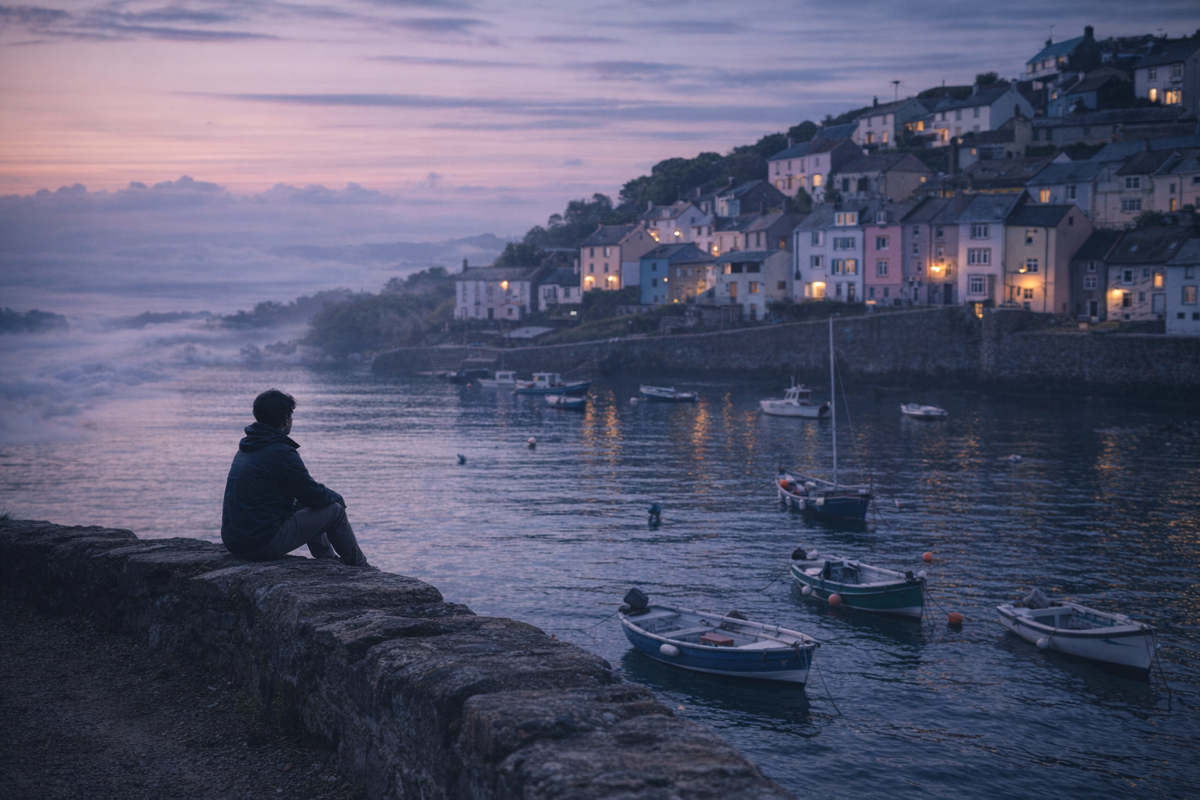
There is a particular quality to places that stay with you — not the famous landmarks or Instagram-ready viewpoints, but the quieter discoveries. A courtyard glimpsed through a half-open door. The sound of a particular street at dusk. The weight of afternoon light in a room where you spent enough time to notice how it changed. These memories form only when you stay long enough, move slowly enough, to let a place reveal itself on its own terms.
Slow travel is not simply travel at reduced pace, though pace matters. It is a fundamentally different orientation toward the experience of place. Where conventional tourism treats destinations as items on a checklist — seen, photographed, departed — slow travel treats them as relationships to be developed. And like all relationships, depth requires time.
The Tyranny of the Itinerary
Modern travel culture encourages compression. Three cities in seven days. A highlights tour that hits every major attraction in a single afternoon. The underlying assumption is that more locations equal more experience, that breadth compensates for depth. But memory does not work this way. The mind cannot form lasting impressions of places experienced at speed — they blur together into a montage of facades and entry tickets.
Slow travel rejects this compression. It chooses one place over many, depth over breadth, familiarity over novelty. It accepts that you will miss things — entire cities, famous monuments, celebrated restaurants — in favour of knowing one place well enough to navigate it without a map, to greet shopkeepers by name, to develop preferences about which cafe serves the best morning coffee.
Time and Texture
The texture of a place — its daily rhythms, seasonal shifts, social patterns — reveals itself only to those who stay. The market that appears on Thursdays. The evening passeggiata along the harbour wall. The way the town empties between two and four in summer heat. These patterns constitute the actual life of a place, invisible to the three-day visitor but gradually apparent to anyone who remains long enough to witness repetition.
According to Designboom, the growing market for extended-stay accommodation reflects this shift in travel philosophy — properties designed not for overnight stays but for weeks or months of habitation, blurring the boundary between travel and temporary residence.
Walking as Method
The pace of slow travel is, ideally, walking pace. A city experienced on foot reveals itself entirely differently from one experienced by taxi or tour bus. You notice architectural details at eye level, transitional zones between neighbourhoods, the small businesses that occupy ground floors. You develop a physical understanding of distance and relationship — how far the market is from the harbour, how the terrain rises toward the old quarter, where the shade falls at different hours.
Walking also creates encounters that motorised movement prevents. Conversations with residents, accidental discoveries of workshops and studios, the serendipity of turning down an unfamiliar street. These unplanned moments often become the most vivid memories — precisely because they were not sought but found.
The Economics of Staying
Slow travel often proves less expensive than its fast alternative. Accommodation costs per night decrease with duration. Cooking becomes possible when you have a kitchen, reducing restaurant expenses. The costly attractions that dominate short-visit budgets become unnecessary when daily life itself provides sufficient interest. And the absence of constant transit — flights, transfers, luggage handling — removes both cost and friction.
But the real economy is attentional. Slow travel conserves the traveller's capacity for genuine experience. Rather than depleting attention across dozens of superficial encounters, it concentrates it on a single place, allowing the kind of deep noticing that transforms mere observation into understanding.
Places That Remain
The places that stay with you are invariably the places where you stayed. Not the towns you passed through in an afternoon, however picturesque, but the ones where you developed routine, formed connection, and accumulated the small daily experiences that constitute genuine knowledge of a place. Slow travel is, in this sense, the only travel that produces lasting returns — memories with sufficient depth to revisit, and a relationship with place that endures beyond the journey itself.