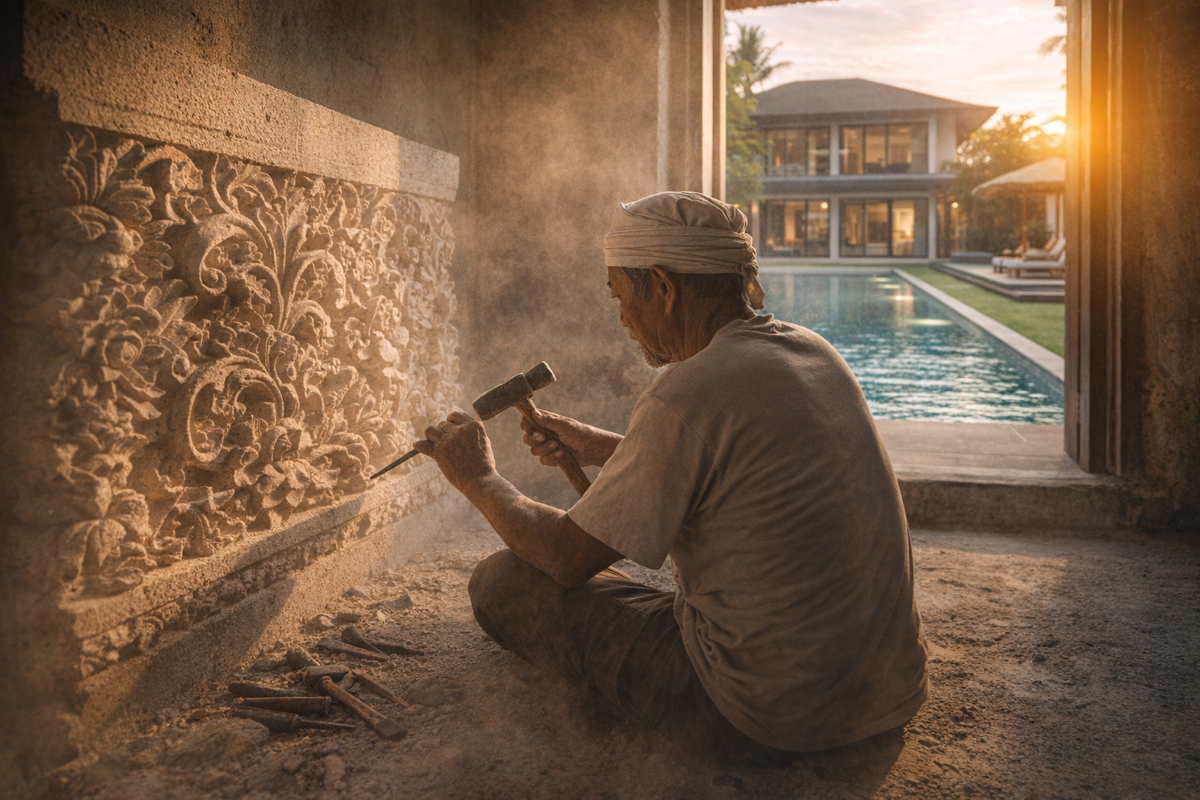
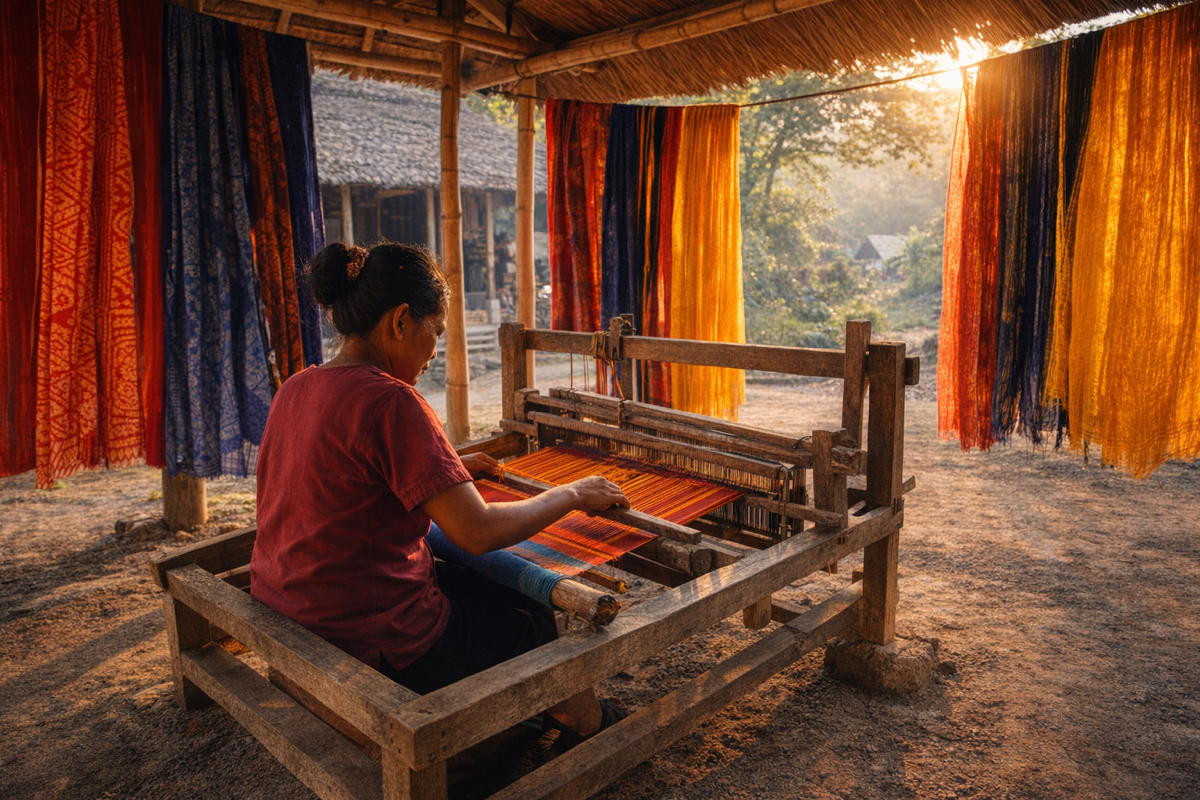
Something has shifted in the way people travel. The postcard destinations remain popular, certainly, but a growing number of travellers are seeking something different — not just places to see, but skills to learn, processes to witness, and makers to meet. This is artisan tourism, and it is quietly reshaping the travel industry from the ground up.
The concept is straightforward: travel organised around craft experiences. A week spent learning ceramics in a Portuguese village. A weekend at a Japanese woodworking workshop. A guided tour of textile studios in Oaxaca. These are not add-ons to conventional itineraries — they are the itinerary itself.
Why Now?
Several forces converge to explain the timing. Digital saturation has created a hunger for tactile, embodied experience. Social media has paradoxically made people crave the unreproducible — moments that cannot be captured in a photograph because their value lies in participation rather than observation. And a broader cultural reckoning with sustainability has made travellers wary of extractive tourism models.
According to the Crafts Council, experiential travel segments have grown consistently over the past decade, with craft-focused tourism among the fastest-expanding niches. The numbers reflect what any observant traveller already knows: people want to do, not just see.
The Economics of Experience
Artisan tourism creates economic models that differ fundamentally from conventional tourism. Rather than concentrating revenue in hotel chains and tour operators, it distributes income directly to makers and small communities. A pottery workshop in rural Italy supports the potter, the local suppliers of clay and glaze, the neighbouring restaurant where students eat lunch, and the guesthouse where they sleep.
This distributed economic model means that tourism revenue reaches places it traditionally never would. Villages that lack the monumental architecture or natural spectacle to attract conventional tourists can offer something equally compelling: living craft traditions and the people who maintain them.
Authenticity and Its Complications
The demand for authentic craft experiences creates both opportunities and tensions. On one hand, it provides economic incentive to maintain traditions that might otherwise disappear. Young people in craft communities see a viable future in skills their grandparents practised. On the other hand, the tourism gaze can distort the very traditions it claims to celebrate.
When craft becomes performance, something essential changes. The maker's attention shifts from the work to the audience. Production choices begin to reflect tourist expectations rather than community needs. The most thoughtful artisan tourism operators recognise this tension and work to minimise it — creating genuine learning exchanges rather than spectacles of production.
A Different Kind of Souvenir
Perhaps the most significant aspect of artisan tourism is what travellers bring home. Not a mass-produced memento purchased at an airport, but a skill — however rudimentary — and a memory of the learning. The bowl you threw on a wheel in Tuscany, imperfect and glazed slightly off-centre, carries more meaning than any object you could purchase. It carries your own process, your own attention, your own hours.
This is travel that changes the traveller, not just their photograph collection. It creates connection — to place, to material, to maker, and ultimately to the slow, patient work of making things by hand. In a world that moves ever faster, that connection may be the most valuable destination of all.